Breadcrumb Home UNICEF in action Displaying 1 - 9 of 2991 RegionAllAfrica-Algeria-Angola-Bahrain-Benin-Botswana-Burkina Faso-Burundi-Cabo Verde-Cameroon-Central African Republic-Chad-Comoros-Côte d'Ivoire-Democratic Republic of the Congo (DRC)-Djibouti-Egypt-Equatorial Guinea-Eritrea-Eswatini-Ethiopia-Gabon-Ghana-Guinea, -Guinea-Bissau-Kenya-Lesotho-Liberia-Libya-Madagascar-Malawi-Mali-Mauritania-Morocco-Mozambique-Namibia-Niger-Nigeria-Príncipe-Rwanda-São Tomé -Senegal-Somalia-South Africa-South Sudan-Sudan-Tanzania-Tunisia-Uganda-Zambia -ZimbabweAsia-Afghanistan-Bangladesh-Bhutan-Cambodia-China-Cook Islands-Federated States of Micronesia-Fiji-India-Indonesia-Kiribati-Lao People's Democratic Republic (Lao PDR)-Malaysia-Maldives-Marshall Islands-Mongolia-Myanmar-Nauru-Nepal-Niue-Pakistan-Palau-Papua New Guinea-Philippines-Samoa-Solomon Islands-Sri Lanka-Thailand-the Democratic People's Republic of Korea (DPRK)-Timor-Leste-Tokelau-Tonga-Tuvalu -Vanuatu-VietnamEurope-Albania-Armenia-Azerbaijan-Belarus-Bosnia and Herzegovina-Bulgaria-Croatia-Georgia-Greece-Kazakhstan-Kosovo-Kyrgyzstan-Moldova-Montenegro-North Macedonia-Romania-Serbia -Tajikistan-Turkmenistan -Ukraine-UzbekistanMiddle East-Albania-Armenia-Azerbaijan-Belarus-Bosnia and Herzegovina-Bulgaria-Croatia-Gaza-Georgia-Greece-Iran-Iraq-Israel-Jordan-Kosovo-Lebanon-Moldova-Montenegro-North Macedonia-Romania-Serbia-Syria-Tajikistan-Turkey-Ukraine -YemenNorth America-Dominican Republic-El Salvador-Guatemala-Haiti-Honduras-Mexico-Nicaragua-United StatesSouth America-Argentina-Bolivia-Brazil-Chile-Colombia-Guyana-Panama-Paraguay-Peru-Suriname-Uruguay-VenezuelaIssueAllair pollutioncash transferschild laborchild marriagechild protectionchild soldieringchild traffickingChild-Friendly Spaceschildhood immunizationchildren with disabilitiescholeraclimate changeCOVAXCOVID-19diarrheadisplacementearly childhood developmentEbolaeducationemergency responseequityfood insecurityGAVIhealthhealth systemsHIV/AIDShygieneinnovationmalariameaslesmenstrual health and hygienemental healthmigrationnutritionpneumoniapoliopsychosocial support respectsanitationtetanuswateryouth engagementZika virusEmergencyAllchild rights crisisconflictcyclonedisease outbreakdroughtearthquakeepidemicextreme weatherfaminefloodinghurricanemigrant crisismonsoonmudslidenatural disasterpandemicrefugee crisistsunamityphoonvolcanowarPrograms & PartnersAllambassadorsBridge FundChange for GoodChild Friendly Cities InitiativeGeorge Harrison FundImpact Fund for Childreninspired giftsJohnson & Johnson FoundationKiwanisMercury FundMicrosoftRotary InternationalSchool ClubsTrick-or-Treat for UNICEFU.S. AdvocacyUNICEF marketUNICEF NextGenUNICEF-Duke Innovation Accelerator6 Questions With UNICEF Ambassador Aria Mia LobertiNewly appointed UNICEF Ambassador Aria Mia Loberti shares her thoughts on her new role and what she hopes to achieve for the world's children.Helping Gaza's Children Cope With TraumaUNICEF is on the ground in Gaza, working with partners to provide urgently needed mental health and psychosocial support services for kids. [VIDEO]Heart Strings: A Place Where Changing the World Feels Within ReachA new exhibit touring the U.S. introduces children and their families to the power of UNICEF to change lives and empower the next generation.UNICEF Helps Mothers in Sudan Start Their Own Vegetable GardensAs food insecurity rises, mothers in Sudan are planting vegetable gardens with support from UNICEF. [VIDEO]UNICEF Issues Urgent Appeal for Children Suffering in Sudan's Brutal WarUNICEF is on the ground inside Sudan working alongside local partners to deliver lifesaving support and protection for children. [VIDEO]Starting Over in Sudan, With Support From UNICEFSudan's civil war is disrupting childhoods and tearing families apart. UNICEF programs help children recover from the trauma they've experienced.UNICEF Backs Young Innovators to Accelerate Climate ActionIntroducing Innovation30, a new UNICEF initiative leveraging private investment capital to accelerate climate solutions.Congress Passes Annual Funding for UNICEF: What Else Comes Next?As global needs continue to outpace available resources, Congressional support for UNICEF's work for children is more important than ever.Americans Who Never Forget: Life Without Vaccines Three lives touched by vaccine-preventable disease, one message: Don't take immunization for granted. Pagination Current page 1 Page 2 Page 3 Page 4 Page 5 Page 6 Page 7 Page 8 Page 9…Next page››Last pageLast »
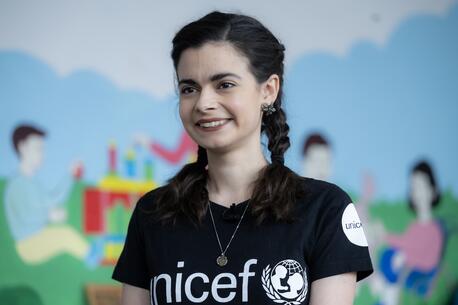
6 Questions With UNICEF Ambassador Aria Mia LobertiNewly appointed UNICEF Ambassador Aria Mia Loberti shares her thoughts on her new role and what she hopes to achieve for the world's children.
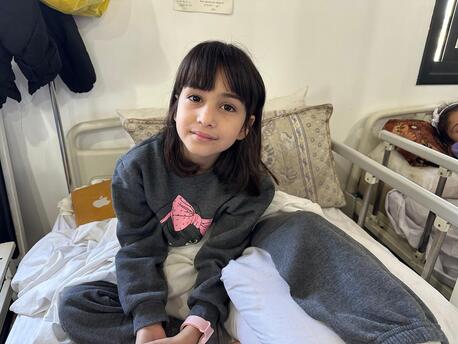
Helping Gaza's Children Cope With TraumaUNICEF is on the ground in Gaza, working with partners to provide urgently needed mental health and psychosocial support services for kids. [VIDEO]
Heart Strings: A Place Where Changing the World Feels Within ReachA new exhibit touring the U.S. introduces children and their families to the power of UNICEF to change lives and empower the next generation.
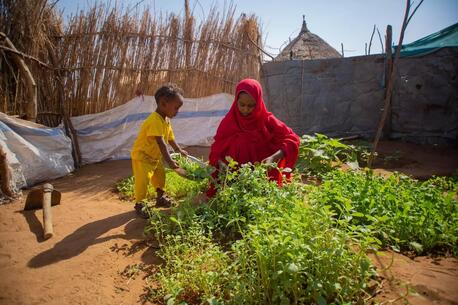
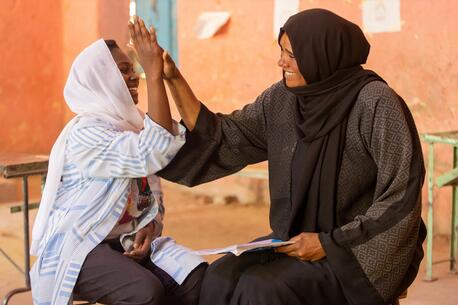
UNICEF Helps Mothers in Sudan Start Their Own Vegetable GardensAs food insecurity rises, mothers in Sudan are planting vegetable gardens with support from UNICEF. [VIDEO]
UNICEF Issues Urgent Appeal for Children Suffering in Sudan's Brutal WarUNICEF is on the ground inside Sudan working alongside local partners to deliver lifesaving support and protection for children. [VIDEO]
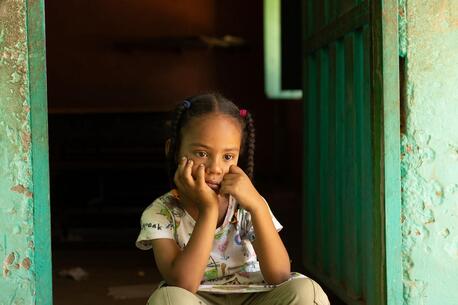
Starting Over in Sudan, With Support From UNICEFSudan's civil war is disrupting childhoods and tearing families apart. UNICEF programs help children recover from the trauma they've experienced.
UNICEF Backs Young Innovators to Accelerate Climate ActionIntroducing Innovation30, a new UNICEF initiative leveraging private investment capital to accelerate climate solutions.
Congress Passes Annual Funding for UNICEF: What Else Comes Next?As global needs continue to outpace available resources, Congressional support for UNICEF's work for children is more important than ever.
Americans Who Never Forget: Life Without Vaccines Three lives touched by vaccine-preventable disease, one message: Don't take immunization for granted.