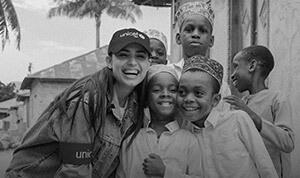
Nishi Kumar is an intern at the U.S. Fund for UNICEF and has been blogging regularly for Fieldnotes.
In December of 2004 I watched in horror as images of tsunami-devastated communities dominated the world news. I was a junior in high school in Georgia, but I felt as if the immense scale of the tragedy halfway around the globe had affected me personally. The tsunami, triggered by an earthquake off the coast of Indonesia, killed nearly 230,000 people
Nishi Kumar is working as an intern at the U.S. Fund for UNICEF and blogging for Fieldnotes.
It’s the season of my favorite foods: turkey and mashed potatoes, holiday gingerbread cookies and warm pumpkin pie. With a fridge full of leftovers, it is almost impossible for me to imagine the reality of hunger. Alarmingly, however, the global hunger situation this year is more critical than ever before. The United Nation Food and Agriculture Organization estimates that, for the first time in recorded history, more than one billion people
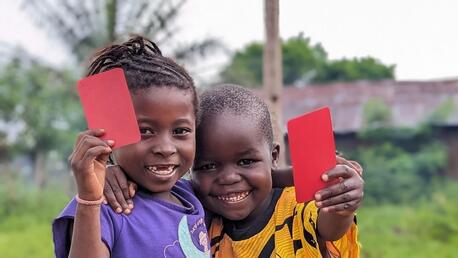
For me, the sport of soccer evokes memories of a suburban childhood: freshly laundered uniforms and energy drinks, grass stains and post-game pizza parties. Never once during the many years of weekend tournaments and afternoon practices did I consider the children across the world enjoying the same sport, in dusty streets and alleyways instead of newly sodded fields. And I certainly never considered the many children denied the fundamental right I took for granted each day
Nishi Kumar is working as an intern at the U.S. Fund for UNICEF throughout the Fall.
“Did you remember to wash your hands?” This is a question most of us heard thousands of times throughout our childhoods. Hand washing is a routine we pick up at an early age, drilled into us by constant reminders from relatives, teachers, and catchy TV jingles. By adolescence, it becomes an ingrained habit that we eventually pass down onto our own children. Most of us have never stopped to consider why this simple act
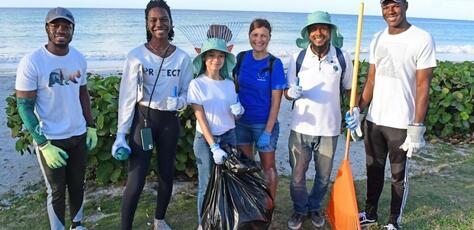
“Go Green” has become a popular catch-phrase over the last few years, with campaigns encouraging everything from recycling to driving electric cars to eating organic chickens. We all know that reducing our carbon footprint is important for future generations. What you may not know is that climate change is about more than just ensuring the future of the planet’s resources
Remaining pockets of violence, millions of Internally Displaced Peoples, massive human rights violations and a lack of basic social services severely hinder the efforts of Gill and other aid workers. “Humanitarian access is limited,” said Gill, “because there is virtually no infrastructurea wooden bicycle used to transfer goods to market is about as advanced as it gets.” Gill and her colleagues also face a constant security risk and must take daily precautions against attacks
The question echoes throughout war-torn Afghanistan: “What are you doing for
peace?” For the third year in a row, all parties have agreed to a complete cease-fire to take place today, September 21.
The UN first declared this date the International Day of Peace in 1981 and in 2001 further designated it “a day of global ceasefire and non-violence”. International and civic organizations will celebrate the brief respite from violence with traditional musical performances, kite-flying contests, a nation-wide message of peace, and humanitarian campaigns.
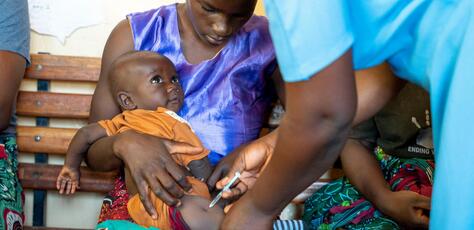
Thirty years ago, only one out of five children were immunized against killer diseases like measles and polio. Throughout the developing world, millions of children were dying of illnesses that had all but disappeared in the world’s wealthier countries. Since then, a near miracle has taken place. Now, four out of five children are protected by vaccines. Polio is on the verge of elimination. Measles and tetanus deaths have been reduced dramatically. This miracle did not happen by itself.
Welcome to Fieldnotes. Blogging gives us the ability to quickly report from the field, alert you to media coverage of interest, and share the success of UNICEF's lifesaving work around the globe.
We want to hear from you, so consider using the comment functionality to let us know what you think. Readers, please keep in mind that comments do not necessarily reflect official positions of UNICEF or the U.S. Fund for UNICEF. While we welcome multiple points of view here, we will review each comment prior to posting it and will not post comments that are off-topic or inappropriate for this public forum.